Best AI Smartphones of 2026: Top Picks, Features & Buying Guide
An educational look at the devices defining the mobile industry today. Explore how proactive intelligence, built-in neural processors, and upgraded hardware are changing the way we use our phones.
The smartphone industry has undergone a massive transformation over the last few years. As we settle into 2026, artificial intelligence is no longer just a neat parlor trick or a background feature that relies on a distant server to function. Instead, it has become the core foundation of how modern mobile devices operate. Many tech analysts are calling this the "IQ Era"—a time when our phones finally have the processing power to think alongside us rather than simply waiting for a tap or a swipe.
The biggest shift we're seeing right now is the move toward Agentic AI. In older models, you had to actively prompt your phone to do something. You opened a specific app, typed out a request, and waited for it to load. Agentic systems flip that script. They operate quietly in the background, learning your daily habits to manage your device proactively. This means your phone might adjust its thermal settings before your daily gaming session, or automatically draft context-aware replies to work emails while it knows you're busy driving.
Perhaps the most important breakthrough making this possible is on-device computation. By packing powerful Neural Processing Units (NPUs) directly onto the phone's motherboard, these complex tasks happen instantly, without any noticeable lag. Even better, keeping this processing offline means your personal voice transcripts, daily routines, and sensitive searches never actually leave the device, which is a massive win for consumer privacy.

The Productivity Powerhouse
Samsung's Galaxy S26 Ultra feels like the culmination of their ambitious AI efforts over the past few years. Running on the custom Snapdragon 8 Elite chip, the phone has finally ditched the clunky, separate AI apps in favor of intelligence that feels baked directly into the operating system.
What really sets it apart this year is the S-Pen. Thanks to ultra-wideband technology, the stylus now functions as a spatial controller, making it incredibly useful for generative design work. Additionally, its Live Translation feature now works entirely offline, meaning you can get instant voice translations for dozens of languages even if you're traveling without a cellular signal.

The Photography Intellect
If software smarts are your main priority, the Pixel 10 Pro is hard to ignore. Google designed this phone around its highly efficient Tensor G5 processor, making it a perfect vessel for Gemini Live 2.0. The assistant now genuinely understands the context of whatever happens to be on your screen at any given moment.
In terms of photography, Google has moved way beyond simple tricks like generative fill. The camera now uses multimodal AI to analyze the scene right through the viewfinder, suggesting better lighting angles and composition tweaks in real-time. It's essentially an automated photography tutor living in your pocket.

The Privacy-First Standard
Apple took its time leaning into the AI boom, but the iPhone 17 Pro Max proves the deliberate approach paid off. Powered by the A19 Pro silicon, Apple Intelligence handles heavy machine learning tasks—like summarizing massive documents or running semantic photo searches—strictly natively.
This phone truly shines for content creators. The internal AI architecture adjusts video exposure and noise reduction frame-by-frame while recording in 8K. To handle the massive heat generated by this kind of processing, Apple introduced an internal vapor chamber, ensuring the phone stays cool and responsive during long, creative recording sessions.
The Hardware Titan
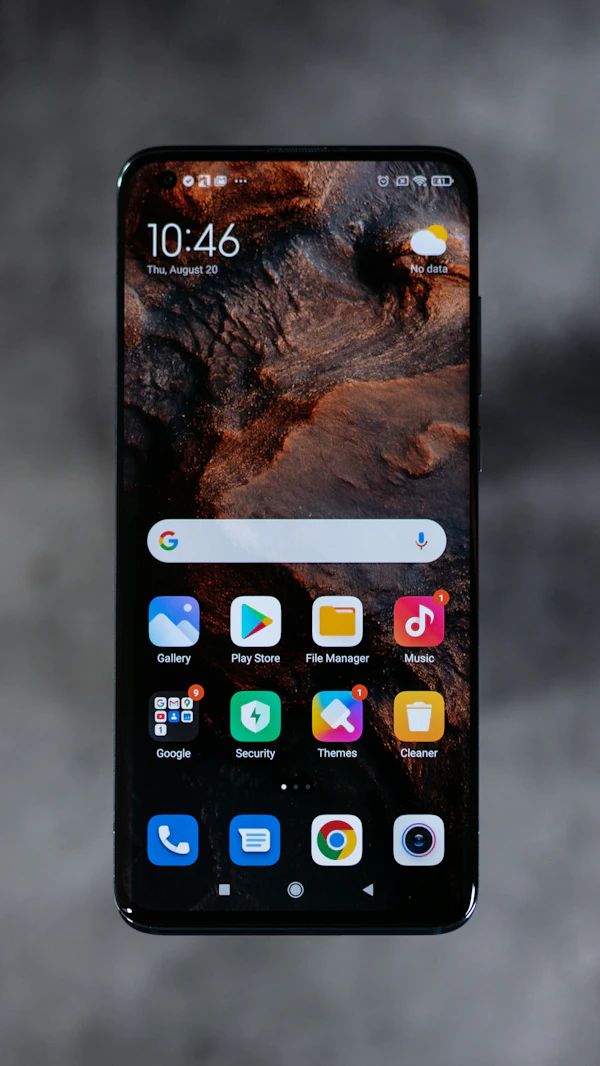
Sometimes, all the software tricks in the world can't beat raw hardware. The Xiaomi 16 Ultra is proof of that, sporting a massive 1-inch Gen 2 sensor that provides incredibly rich optical data for its AI algorithms to process.
Rather than falling into the trap of over-sharpening images—a major issue with older AI phones—Xiaomi uses its neural processor to meticulously balance dynamic range and natural colors. The result is photography that looks remarkably authentic and professional, rather than artificially generated.
To really grasp where smartphone technology stands today, we have to look past the marketing buzzwords. The rush to build AI-native hardware has caused some massive ripples across global supply chains, dramatically affecting what you pay at the store.
Industry experts have started referring to the recent spike in phone prices as the "AI Tax." True, offline processing requires incredibly fast Random Access Memory (RAM). As massive tech corporations buy up memory chips by the millions to stock their data centers, a severe supply bottleneck has choked the smartphone market.
Because running complex models directly on a phone requires a baseline of at least 12GB to 16GB of RAM, the cost to build a standard phone has skyrocketed. Unfortunately, this means the era of the highly capable "budget" phone is largely on pause while manufacturers navigate these premium component costs.
Because hardware costs are higher, consumers naturally want to keep their phones longer. Major brands like Samsung and Google have recognized this shift and now routinely offer seven full years of software and security updates. Buying a flagship device today is less about a quick two-year upgrade cycle and more about investing in a piece of hardware that will safely last into the 2030s.
While tech companies love to advertise "100% on-device processing," the reality is a bit more hybrid. If you ask your phone to generate a complex 3D image or search a massive global database, it still has to briefly connect to a cloud server. The major difference in 2026 is routing intelligence. Your phone now instantly decides the safest path: it processes personal, sensitive tasks locally on its own chip, and strips away your identifying information before securely pinging the cloud for the heavy lifting.
We've officially moved past the novelty phase of mobile AI and entered a period of genuinely useful, refined technology. Whether you lean toward the cohesive business tools of the Galaxy S26 Ultra, the software elegance of the Pixel 10 Pro, the secure video capabilities of the iPhone 17 Pro Max, or the sheer hardware strength of the Xiaomi 16 Ultra, today's market offers incredibly mature options.
Choosing the right device ultimately comes down to how you plan to use it daily. As these systems continue to learn our habits and streamline our workflows, the modern smartphone is evolving from a simple communication screen into a highly personalized, indispensable digital assistant.