Remote Tech Careers in 2026: Highest Paying Jobs & How to Get Started

The tech industry has officially moved beyond the cubicle. Whether you're a seasoned developer or a newcomer looking to break into the industry, building a successful career from home has never been more attainable. Here is everything you need to know about navigating the world of remote tech.
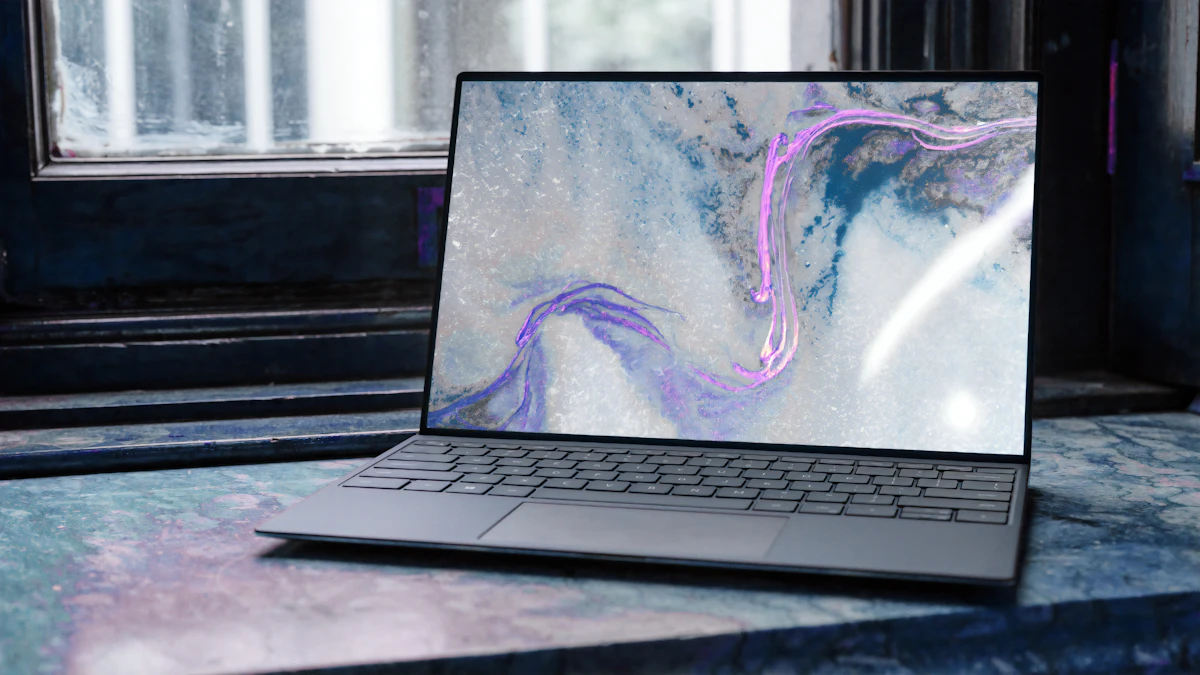
Not too long ago, the ability to work from home in the tech industry was treated as a rare luxury—a perk reserved for a select few senior developers or startup founders. Today, it’s simply how the industry operates. A remote tech career means utilizing digital tools, cloud infrastructure, and collaborative software to do your job just as effectively from your living room as you would from a downtown office.
This massive shift didn't happen by accident. It was driven by the rapid improvement of workplace software. Tools designed for real-time collaboration, reliable video conferencing, and seamless project management proved that teams don't need to share a physical room to build incredible products. As a result, companies realized they were no longer restricted to hiring people who lived within a 30-mile radius of their headquarters. Suddenly, the focus shifted from "when did you badge into the building?" to "what value are you bringing to the team?"
When looking at the landscape today, you’ll likely encounter two types of companies: "remote-friendly" and "remote-first." A remote-friendly company might let you work from home a few days a week, but the core decisions still happen in an office boardroom. A remote-first company, on the other hand, assumes that everyone is working from somewhere else. They build their entire culture around written communication, transparent documentation, and equal footing for every employee, no matter where they live.
While almost any desk job can technically be done from home, the technology sector has several roles that are tailor-made for distributed environments. Here is a look at some of the most highly sought-after remote positions today.
Developers are the absolute lifeblood of the tech world, and their daily tasks naturally lend themselves to working remotely. Writing code, submitting pull requests, and participating in virtual code reviews can happen entirely online. In fact, many engineers find that they write cleaner, more efficient code when they can work from home without the constant interruptions of an open-plan office.
Data analysts and scientists spend their days uncovering trends hidden inside massive datasets. Because their work heavily relies on cloud-based databases, SQL, and programming languages like Python, their physical location rarely matters. The quiet, focused environment of a home office is actually a massive advantage when trying to solve complex mathematical or analytical problems.
By definition, cloud architects and DevOps engineers manage computer servers that live somewhere else. Whether they are maintaining Amazon Web Services (AWS), Google Cloud, or Microsoft Azure infrastructure, the work is entirely virtual. Their main focus is keeping websites fast, secure, and online, making this one of the most flexible roles in the industry.
User Experience (UX) and User Interface (UI) designers are responsible for making apps and websites look great and feel intuitive. Thanks to modern, browser-based design tools, multiple designers can sketch out a new app interface on the exact same digital canvas simultaneously, even if they live on opposite sides of the globe.
As companies move their data out of office buildings and into the cloud, keeping that data safe is a top priority. Security analysts spend their time monitoring networks for suspicious activity and patching vulnerabilities. Because they connect to these networks via highly secure, encrypted VPNs, they can comfortably protect a company's assets from a secure home network.
Product managers are the bridge between the business leaders, the designers, and the engineers. In a remote setting, this role relies heavily on excellent written communication. A great remote product manager uses detailed roadmaps and asynchronous updates to keep a scattered team moving toward a shared goal, without relying on endless Zoom meetings.
The push toward remote work isn't just about avoiding office dress codes; it brings profound, tangible benefits to your daily life and career trajectory. Here is why so many tech professionals are making the permanent switch.
The average professional spends hundreds of hours a year sitting in traffic or crowded trains. Working from home gives you that time back. You can use those reclaimed hours to sleep better, exercise, prepare healthier meals, or dedicate time to learning a new programming language that will boost your career.
Tech roles require intense concentration. The modern open-office floor plan—with its constant chatter, shoulder-taps, and ringing phones—is notorious for breaking that concentration. Working from your own space allows you to control your environment, turn off distracting notifications, and achieve long stretches of uninterrupted "deep work."
In the past, securing a top-tier tech salary meant you had to live in incredibly expensive cities like San Francisco, New York, or London. Remote work changes the math. You can now earn a highly competitive tech salary while living in a city or town with a much lower cost of living, drastically increasing your overall financial wellbeing.
While boundaries are important, remote work allows your job to fit into your life, rather than forcing your life to fit around your job. Whether it's throwing in a load of laundry between meetings, taking a walk with your dog at lunch, or being home when your kids finish school, the flexibility is unmatched.
Enjoying the perks of remote work is easy, but building a sustainable, long-term career from your living room takes discipline. Without a boss looking over your shoulder or an office routine to guide you, you have to be intentional about your habits.
Working from your couch might sound appealing at first, but it will quickly hurt your posture and blur the line between your relaxing time and your working time. Set up a specific desk or room that is just for work. When you sit down, your brain knows it's time to focus. When you walk away at the end of the day, leave the work behind. Invest in a good ergonomic chair and a secondary monitor—your back and your eyes will thank you.
When you work with people across different time zones, you can't expect immediate answers to every question. This is where "asynchronous communication" comes in. Instead of just messaging a coworker "Hey, got a second?", you need to learn to leave detailed, context-rich messages. A good remote worker provides enough information in a message or document so their teammate can completely solve the problem when they log on hours later.
When your home is your office, it is dangerously easy to accidentally work 12-hour days. You need to set clear boundaries. Block out time on your calendar for deep work, but also block out time for a proper lunch break. Communicate your typical working hours to your team so they know when you are—and aren't—available.
In an office, your manager sees you sitting at your desk working hard. At home, they only see the output you produce. You have to be proactive about sharing your wins and your progress. Write clear project updates, participate actively in team chat channels, and use your one-on-one meetings with your manager to talk about your career goals, not just your daily tasks.
If you are transitioning into a remote tech role for the first time, you probably have a few practical questions. Here is a look at how remote companies handle the day-to-day logistics.
Not necessarily. While a degree is certainly helpful and sometimes preferred by larger, traditional corporations, the tech industry is largely results-driven. Hiring managers care far more about what you can actually build. Many successful remote developers are self-taught or bootcamp graduates. If you have a strong portfolio, a clean GitHub history, and the ability to clearly explain your code during an interview, you can absolutely secure a great role without a traditional degree.
Most reputable tech companies will supply you with the hardware you need to do your job safely. At a minimum, they will send you a company-owned laptop configured with their security software. Additionally, many remote-first companies offer a one-time home office stipend (often ranging from $500 to $1,000) to help you purchase a comfortable chair, an external monitor, or a proper desk.
Many remote companies establish what they call "core hours." For example, they might require everyone to be online and available for meetings between 10:00 AM and 2:00 PM Eastern Time, regardless of where they actually live. Outside of those specific hours, you have the flexibility to design your day however you see fit. Good companies try to minimize meetings and rely on written communication so nobody has to log on at 3:00 AM.
Yes, though they can be competitive. When remote work first exploded, companies mostly hired senior engineers who didn't need much hand-holding. However, as companies have figured out how to train people remotely using digital pair-programming and excellent documentation, junior roles have opened up significantly. To land one, you need to prove that you are an excellent communicator who isn't afraid to ask smart questions.
The transition toward distributed teams in the technology sector isn't just a temporary reaction to global events; it's a fundamental upgrade to how we work. By removing the physical limitations of an office, the industry has opened the door to a more balanced, efficient, and inclusive way of building a career. For professionals willing to adapt to this new normal, the opportunities are massive.
Thriving in this environment requires more than just knowing how to code or analyze data. It requires you to be an excellent writer, a disciplined time manager, and a proactive teammate. As the digital tools we use to connect continue to evolve, those who master the art of working remotely will find themselves with incredibly rewarding careers. The future of the tech industry is distributed, and there has never been a better time to get on board.